Blog

03
Mar
Pros and Cons of Having Carpet at Home: A Practical Guide for Homeowners
Carpet remains one of the most debated flooring options in residential design. While hardwood, tile, and luxury vinyl continue to gain popularity, carpet still offers unique performance advantages in specific areas of the home.
If you're evaluating flooring from both a functional and design perspective, here’s a structured breakdown of the advantages, disadvantages, and recommended areas for carpet installation.
1. Comfort & Warmth
Carpet provides a soft underfoot feel that hard surfaces simply cannot replicate. It creates thermal insulation, making rooms feel warmer—especially beneficial in colder climates.
2. Noise Reduction
Carpet absorbs sound, reducing echo and impact noise. In multi-level homes, it minimizes footstep transmission between floors.
3. Safety
Its cushioned surface lowers the risk of slip-related injuries and provides impact absorption—an important factor for households with children or elderly residents.
4. Energy Efficiency
Carpet acts as an insulating layer, potentially helping reduce heating costs by retaining indoor warmth.
5. Cost-Effective Installation
Compared to natural hardwood or stone, carpet is generally more affordable in terms of material and installation.
1. Maintenance Requirements
Carpet requires consistent vacuuming and periodic deep cleaning. Stains can be difficult to remove if not addressed immediately.
2. Susceptibility to Wear
High-traffic areas may show matting, crushing, or discoloration over time.
3. Allergen Retention
Carpet fibers can trap dust, pet dander, and allergens. Without proper maintenance, this may impact indoor air quality.
4. Moisture Sensitivity
Carpet does not perform well in humid or wet environments. Prolonged exposure to moisture can lead to mold or odor issues.
5. Shorter Lifespan Compared to Hard Surfaces
While quality carpet can last 10–15 years, hardwood or tile often outperform it in longevity.
Carpet performs best in spaces where comfort and noise control are priorities:
Bedrooms
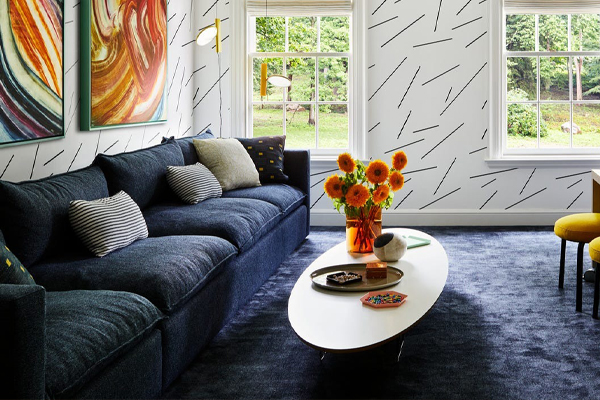
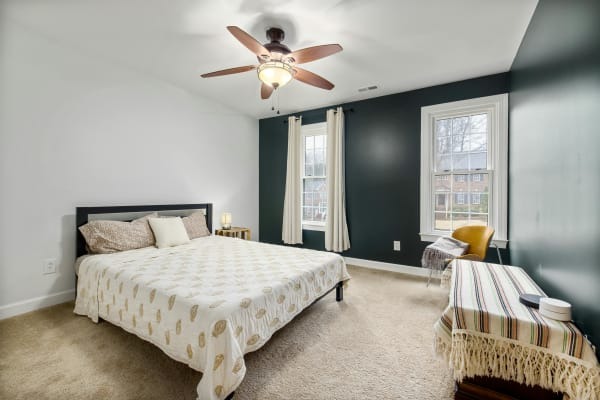
Softness underfoot enhances comfort and creates a cozy atmosphere.
Living Rooms & Family Rooms
Ideal for comfort-driven layouts, especially in homes designed for relaxation.
Home Offices
Reduces noise and creates a warmer, more intimate workspace environment.
Staircases
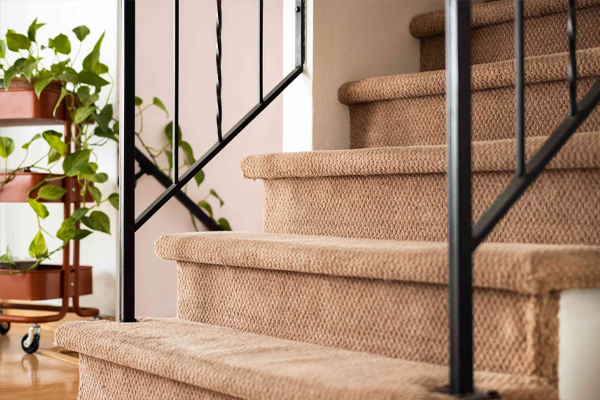
Improves safety and reduces impact noise.
Carpet should be avoided in spaces exposed to moisture, heavy spills, or high foot traffic:
Kitchens
Spills, grease, and food stains make maintenance impractical.
Bathrooms
Excess moisture can damage fibers and promote mold growth.
Laundry Rooms
Water exposure and humidity pose long-term risks.
Entryways & Mudrooms
These areas accumulate dirt, water, and debris quickly, accelerating wear.
Carpet is neither universally ideal nor outdated—it’s strategically effective when installed in appropriate areas.
If your priorities include:
Comfort
Sound absorption
Warm aesthetics
Carpet remains a viable flooring solution.
However, if durability, moisture resistance, and low maintenance are your primary concerns, hard surface materials may offer superior performance.
If you're evaluating flooring from both a functional and design perspective, here’s a structured breakdown of the advantages, disadvantages, and recommended areas for carpet installation.
Key Advantages of Carpet
1. Comfort & Warmth
Carpet provides a soft underfoot feel that hard surfaces simply cannot replicate. It creates thermal insulation, making rooms feel warmer—especially beneficial in colder climates.
2. Noise Reduction
Carpet absorbs sound, reducing echo and impact noise. In multi-level homes, it minimizes footstep transmission between floors.
3. Safety
Its cushioned surface lowers the risk of slip-related injuries and provides impact absorption—an important factor for households with children or elderly residents.
4. Energy Efficiency
Carpet acts as an insulating layer, potentially helping reduce heating costs by retaining indoor warmth.
5. Cost-Effective Installation
Compared to natural hardwood or stone, carpet is generally more affordable in terms of material and installation.
Key Disadvantages of Carpet
1. Maintenance Requirements
Carpet requires consistent vacuuming and periodic deep cleaning. Stains can be difficult to remove if not addressed immediately.
2. Susceptibility to Wear
High-traffic areas may show matting, crushing, or discoloration over time.
3. Allergen Retention
Carpet fibers can trap dust, pet dander, and allergens. Without proper maintenance, this may impact indoor air quality.
4. Moisture Sensitivity
Carpet does not perform well in humid or wet environments. Prolonged exposure to moisture can lead to mold or odor issues.
5. Shorter Lifespan Compared to Hard Surfaces
While quality carpet can last 10–15 years, hardwood or tile often outperform it in longevity.
Recommended Areas for Carpet
Carpet performs best in spaces where comfort and noise control are priorities:
Bedrooms
Softness underfoot enhances comfort and creates a cozy atmosphere.
Living Rooms & Family Rooms
Ideal for comfort-driven layouts, especially in homes designed for relaxation.
Home Offices
Reduces noise and creates a warmer, more intimate workspace environment.
Staircases
Improves safety and reduces impact noise.
Areas Where Carpet Is Not Recommended
Carpet should be avoided in spaces exposed to moisture, heavy spills, or high foot traffic:
Kitchens
Spills, grease, and food stains make maintenance impractical.
Bathrooms
Excess moisture can damage fibers and promote mold growth.
Laundry Rooms
Water exposure and humidity pose long-term risks.
Entryways & Mudrooms
These areas accumulate dirt, water, and debris quickly, accelerating wear.
Is Carpet Right for Your Home?
Carpet is neither universally ideal nor outdated—it’s strategically effective when installed in appropriate areas.
If your priorities include:
Comfort
Sound absorption
Warm aesthetics
Carpet remains a viable flooring solution.
However, if durability, moisture resistance, and low maintenance are your primary concerns, hard surface materials may offer superior performance.
The optimal approach in modern residential design is often a hybrid flooring strategy—carpet in comfort zones, durable surfaces in high-utility areas.
Featured post..